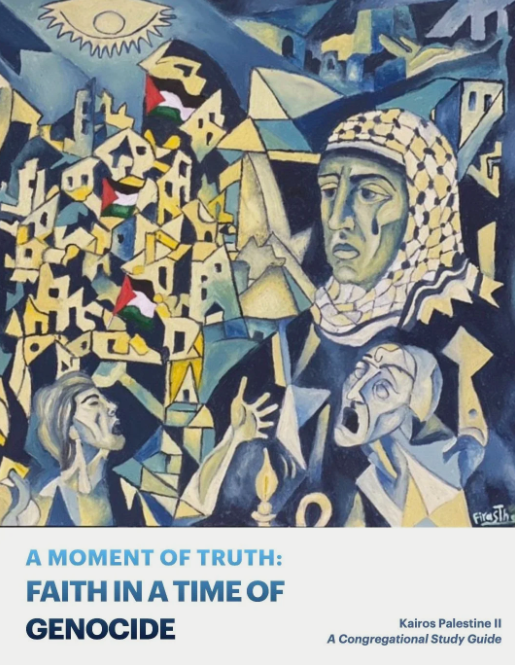
This Palestinian American professor (Sa’ed Atshan) leans on his Quaker faith during conflict

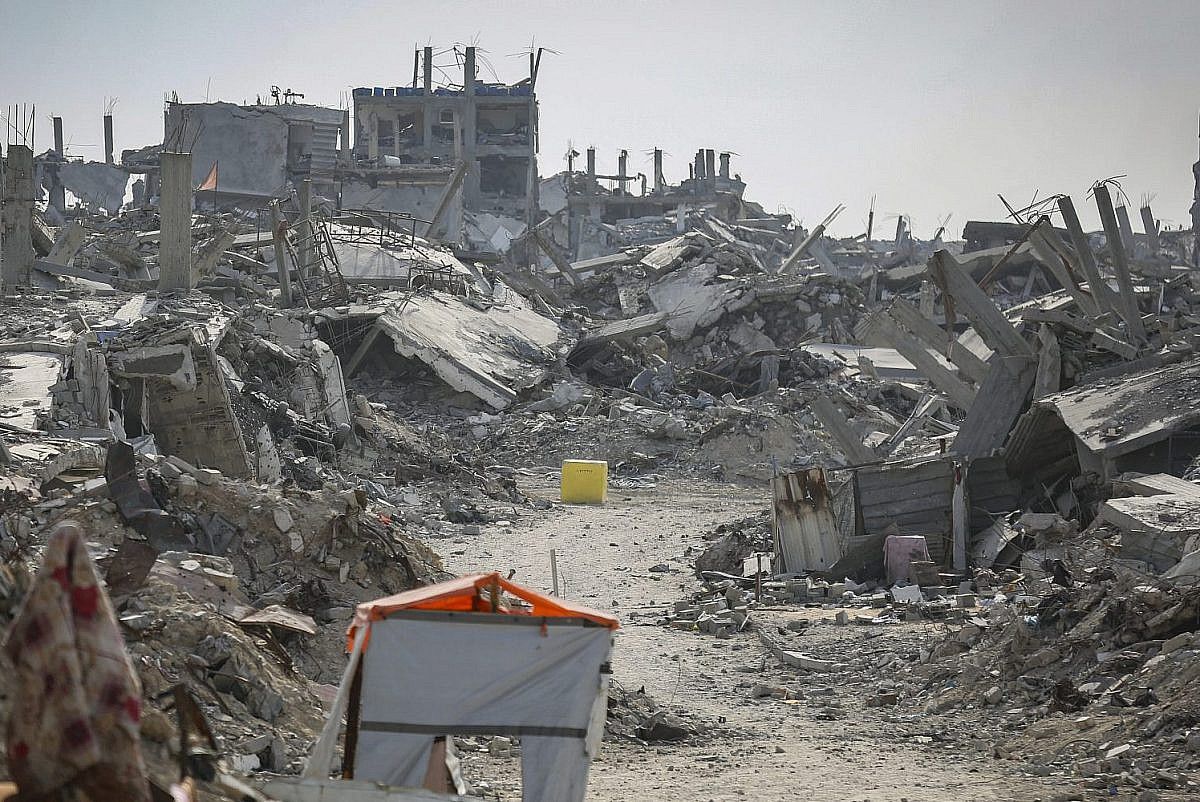
Palestinians react to the devastation caused by an Israeli airstrike in Rafah, southern Gaza Strip, November 11, 2023. (Abed Rahim Khatib/Flash90)
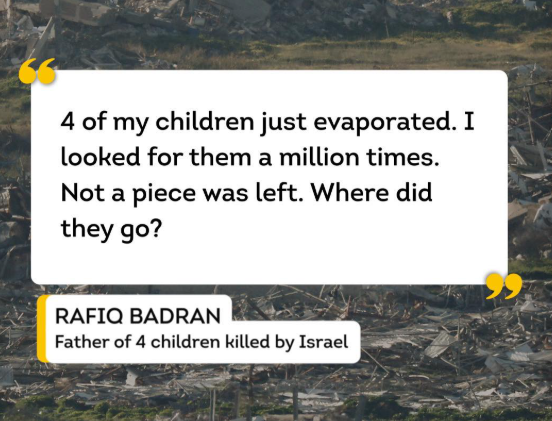
The Israeli army’s expanded authorization for bombing non-military targets, the loosening of constraints regarding expected civilian casualties, and the use of an artificial intelligence system to generate more potential targets than ever before, appear to have contributed to the destructive nature of the initial stages of Israel’s current war on the Gaza Strip, an investigation by +972 Magazine and Local Call reveals. These factors, as described by current and former Israeli intelligence members, have likely played a role in producing what has been one of the deadliest military campaigns against Palestinians since the Nakba of 1948. Here